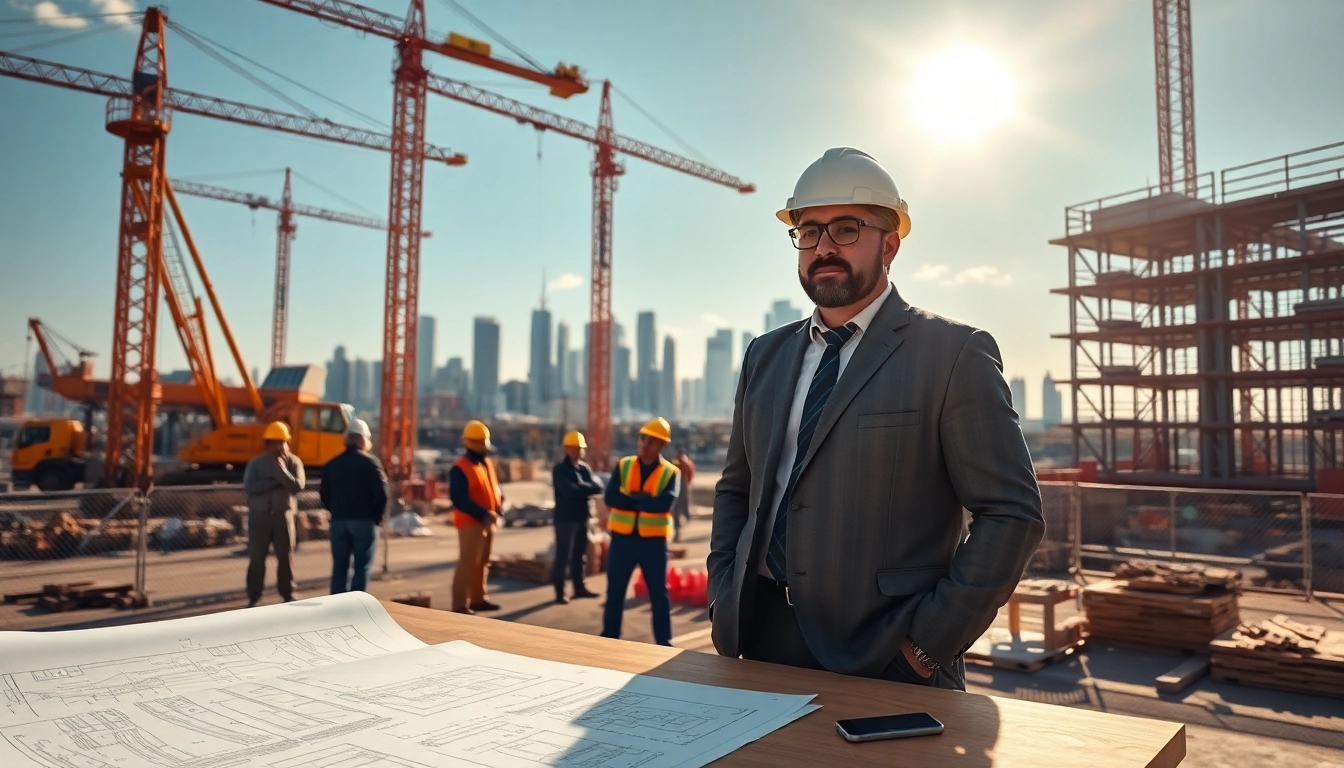
Understanding the Construction Developer Role
What is a Construction Developer?
A construction developer is a professional who plays a central role in the real estate and construction industries. Often referred to as a real estate developer or property developer, this role involves overseeing the planning, financing, and execution of construction projects. These professionals might work independently or as part of larger companies. Their tasks can range significantly based on the scope of the project, from acquiring land, securing funding, and managing construction to marketing the completed property.
Main Responsibilities of a Construction Developer
The responsibilities of a construction developer are vast and varied, typically including the following:
- Project Feasibility Analysis: Before initiating a project, developers evaluate potential sites for viability, considering factors like location, zoning laws, and market demand.
- Securing Financing: Developers must secure funding for their projects. This often involves obtaining loans, forming partnerships, or attracting investors.
- Land Acquisition: Successful developers identify and acquire suitable land for their projects, taking care to negotiate terms that support their financial goals.
- Project Management: Developers oversee various stages of construction, ensuring that projects remain on schedule and within budget.
- Marketing and Sales: Once a project nears completion, developers often engage in promoting and selling the property to potential buyers or tenants.
Skills Required for Success as a Construction Developer
To excel as a construction developer, professionals need a diverse set of skills:
- Financial Acumen: An understanding of finances, including budgeting and cost analyses, is critical.
- Negotiation Skills: Developers often negotiate contracts with landowners, contractors, and financing institutions.
- Project Management: Successful time management and organizational abilities are pivotal in coordinating various aspects of projects.
- Knowledge of Building Codes: Familiarity with local regulations and building codes can reduce legal complications.
- Communication Skills: The ability to convey ideas clearly and work well with teams, clients, and stakeholders is essential for effective collaboration.
Difference Between a Construction Developer and Other Roles
Construction Developer vs. General Contractor
Understanding the difference between a construction developer and a general contractor is crucial for anyone entering the field. While both roles are integral to the building process, their functions differ significantly:
A construction developer is primarily responsible for conceptualizing and overseeing the overall project from inception to completion. They handle finance, land acquisition, and market positioning. In contrast, a general contractor focuses on managing the day-to-day operations of a construction site. This includes hiring subcontractors, ensuring compliance with safety regulations, and supervising the workers on-site.
How a Construction Developer Works with Architects
Collaboration between construction developers and architects is vital in the development process. Developers typically work with architects to conceptualize the project, ensuring that design and functionality align with the envisioned goals of the project.
Developers provide insights about market expectations, budget constraints, and site conditions, which the architect uses to create practical designs. This partnership is crucial for addressing design feasibility, compliance with zoning laws, and optimizing the use of space.
The Importance of Construction Developers in Project Management
Construction developers play a central role in project management. Their oversight ensures that all aspects of a project are coordinated effectively. This includes managing the project timeline, ensuring that tasks are completed as planned, and adjusting as necessary when unforeseen challenges arise.
Moreover, developers are tasked with ensuring that the project remains within budget and meets quality standards. This requires excellent problem-solving skills and the ability to adapt to changes in market conditions, construction techniques, or regulatory requirements.
Steps to Becoming a Construction Developer
Educational Requirements for Construction Developers
Educational background is fundamental for aspiring construction developers. Most hold at least a bachelor’s degree in fields such as construction management, civil engineering, architecture, or business administration. Advanced degrees may be beneficial, especially in competitive markets, as they can provide deeper insights into project financing, real estate, and urban planning.
Gaining Relevant Experience and Skills
Real-world experience is invaluable in the construction development field. Many successful developers start their careers in related roles, such as construction management, project management, or real estate analysis. This experience allows them to build essential skills while networking within the industry.
Internships and entry-level positions provide insights into how projects operate on various levels, from the ground up. This foundational experience is crucial for understanding the complexities of construction processes and market dynamics.
Certification and Licenses Necessary
To enhance credibility and demonstrate expertise, many construction developers pursue certifications such as the Certified Commercial Investment Member (CCIM) or the Project Management Professional (PMP) designation. These certifications often require ongoing education and provide opportunities to stay current with industry trends and best practices.
Additionally, depending on the location and type of projects handled, developers may need specific licenses, particularly if they plan to oversee construction directly. Ensuring compliance with local regulations is critical for avoiding legal complications.
Challenges Faced by Construction Developers
Financial Risks in Development Projects
Financial risk is an inherent part of construction development. Projects can face cost overruns due to unexpected expenses, such as rising material prices or labor shortages. Additionally, market demand can fluctuate, potentially leading to lower-than-expected sales or occupancy rates.
Successful developers often engage in rigorous financial planning and risk assessment to mitigate these uncertainties, ensuring they have contingency plans in place and exploring ways to optimize costs without compromising quality.
Navigating Regulatory Requirements
Navigating local regulations and zoning laws can present significant challenges. Each municipality has its own requirements which can affect timelines and project feasibility. Developers must stay informed about these regulations and engage with local officials during the planning stages to streamline approval processes.
Additionally, compliance with environmental regulations can add layers of complexity to projects, requiring developers to conduct thorough assessments and sometimes adjust plans to meet these standards.
Managing Project Timelines and Budgets
Time and budget management are critical aspects of a construction developer’s role. Delays in one area can significantly impact the project’s scheduling and overall financial performance. To effectively manage resources, developers often employ project management software and best practices to track progress, forecast needs, and allocate resources efficiently.
Regular communication with contractors, suppliers, and stakeholders helps to identify potential issues early, allowing developers to implement corrective actions proactively.
Future Trends in Construction Development
Impact of Technology on Construction Development
Technology is revolutionizing the construction industry and influencing how construction developers approach projects. Tools such as Building Information Modeling (BIM), drone surveying, and project management software enhance the planning and execution phases, offering improved accuracy and efficiency.
Moreover, innovations in construction materials and techniques contribute to cost savings and design flexibility, allowing developers to push the boundaries of traditional building practices.
Sustainable Practices in Construction Development
Sustainability is increasingly becoming a priority in construction development. Many developers are adopting green building practices, which may involve using eco-friendly materials, implementing energy-efficient designs, and minimizing waste during construction.
These practices not only align with consumer demand for sustainable living options but can also result in long-term cost savings and enhanced property values, making them an attractive option for developers.
The Growing Demand for Urban Development
As urban populations continue to grow, the demand for innovative housing and commercial spaces in cities is increasing. Construction developers play a pivotal role in addressing these needs by creating mixed-use developments that promote community integration and environmental sustainability.
Integrating residential and commercial spaces can create vibrant neighborhoods, fostering a sense of community while also maximizing the use of available land.
Frequently Asked Questions
1. What qualifications do I need to become a construction developer?
Typically, a bachelor’s degree in construction management, real estate, or business is required. Relevant experience and certifications can enhance employability.
2. How does a construction developer differ from a builder?
A construction developer focuses on project financing and overall management, while a builder concentrates on the actual construction processes on-site.
3. What are the primary responsibilities of a construction developer?
The main tasks include project feasibility analysis, securing financing, land acquisition, project management, and marketing of properties.
4. What challenges do construction developers face?
Common challenges include financial risks, navigating regulatory requirements, and managing project timelines and budgets effectively.
5. How is technology impacting construction development?
Technology enhances accuracy and efficiency through tools like BIM and project management software, and promotes innovative building techniques.