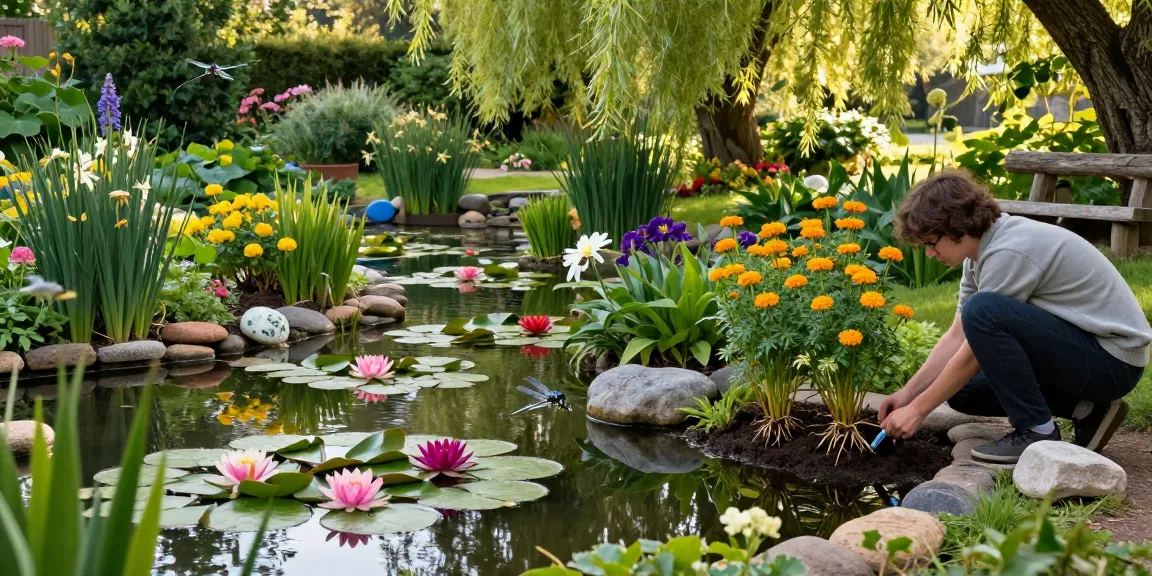
Understanding British Pond Plants
Creating a thriving pond ecosystem begins with understanding the selection and benefits of British Pond Plants. These native species are uniquely adapted to the local climate and conditions, making them an essential component for anyone looking to foster a healthy aquatic environment. Incorporating these plants not only enhances the beauty of your pond but also supports local wildlife, ensuring a balanced ecosystem that flourishes.
What Are British Pond Plants?
British pond plants are aquatic species that naturally thrive in the ponds, lakes, and wetland areas across the UK. They include a variety of flora, ranging from submerged plants that inhabit the depths to emergent plants that rise above the waterline. Some popular examples include Yellow Water Lily (Nymphaea lutea), Water Buttercup (Ranunculus aquatilis), and Marsh Marigold (Caltha palustris).
Benefits of Incorporating Native Plants
Utilizing British pond plants in your water feature brings numerous benefits. Firstly, these plants are well-suited to the local environment, requiring less maintenance and lower water inputs than non-native species. Additionally, they play a crucial role in maintaining water quality by absorbing nutrients and providing habitat for fish and wildlife. This native flora supports local biodiversity, which is vital for ecological balance and resilience.
Common Types of British Pond Plants
- Submerged Plants: These plants grow beneath the water’s surface and are essential for oxygenating the water and providing cover for aquatic life. Examples include Hornwort (Ceratophyllum demersum) and Watermilfoil (Myriophyllum spp.).
- Floating Plants: Plants like Water Lily (Nymphaea spp.) and Duckweed (Lemna spp.) float on the surface, providing shade and reducing algae growth.
- Emergent Plants: Species such as Reed (Phragmites australis) and Cattail (Typha spp.) grow in shallow areas and help stabilize soil and reduce erosion.
Planning Your Pond Garden
Choosing the Right Location
When establishing your pond garden, location is everything. Select a spot that receives ample sunlight but is shielded from strong winds. Ideally, the site should be within sight of your home, allowing you to enjoy the natural beauty and wildlife it attracts. Avoid low-lying areas where water may accumulate excessively, potentially leading to flooding.
Essential Components for a Healthy Pond
A well-functioning pond includes various components that work together to create a balanced ecosystem. These components include a diverse collection of plants, fish, and beneficial microorganisms. A good filtration system is also crucial for maintaining clean water by removing debris and excess nutrients.
Design Tips for Aesthetic Appeal
Designing your pond involves more than just plant selection; it’s about creating a harmonious landscape that complements your garden. Incorporate stones, logs, and other natural materials to create a more inviting habitat. Vary the plant heights and colors by layering different species, which will offer visual interest throughout the seasons.
Common Mistakes in Plant Selection
Overlooking Climate and Soil Conditions
One common error among novice pond owners is ignoring the specific climate and soil conditions of their garden. Selecting plants that thrive in your local environment is crucial to the success of your pond. Conduct soil tests to determine pH and nutrient levels, and choose plants accordingly to promote their growth.
Neglecting Biodiversity Principles
Another frequent oversight is the lack of biodiversity in plant selection. A diverse plant community not only enhances aesthetic appeal but also boosts the resilience of your pond ecosystem against diseases and pests. Aim to include a mix of native aquatic plants, which can better support local wildlife.
Incompatibility Issues Between Plant Species
Be mindful of the compatibility of different plant species when planning your pond. Some plants may outcompete others for resources, leading to imbalanced growth and reduced diversity. Research the growth habits of each species and plan accordingly to avoid planting aggressive species near more delicate ones.
Caring for Your Pond Plants
Water Quality Management Practices
Maintaining water quality is essential for the health of pond plants and aquatic life. Regular testing for pH, ammonia, and nitrate levels can help you detect issues early. Consider implementing biological filtration systems and adding beneficial bacteria to keep the water balanced and promote plant growth.
Regular Maintenance and Seasonal Care
Seasonal maintenance is key to a flourishing pond. In spring, remove any debris and dead plant material, and divide overgrown plants to encourage new growth. During summer, monitor water levels and algae growth, while fall is a good time to prepare for winter by cutting back perennials and removing fallen leaves.
Common Pests and Diseases to Watch For
Pond plants can be susceptible to various pests, including aphids and snails, which can damage foliage. Regular inspections can help catch these issues early. For diseases, root rot is a common concern, often caused by overwatering or poor drainage. Ensure your plants are planted correctly and provide adequate space for air circulation.
Future Trends in Pond Gardening
Innovative Techniques for Plant Sustainability
As gardening practices evolve, innovative techniques are emerging that enhance sustainability. Techniques such as rainwater harvesting and the use of organic fertilizers are gaining popularity, enabling gardeners to create low-impact ponds that are better for the environment.
2026 Predictions for Garden Trends
Looking ahead to 2026, trends indicate a shift towards more eco-conscious gardening practices. This includes a growing demand for native plants, increased interest in water-saving techniques, and a focus on creating habitats for pollinators and other wildlife.
Integrating Technology in Pond Management
Technology is poised to play a significant role in the future of pond gardening. Smart sensors monitoring water quality and automated filtration systems are becoming more commonplace, allowing for easier management of aquatic environments.
What types of British pond plants are easy to care for?
Several British pond plants are particularly easy to care for, making them ideal for beginners. Species such as Water Forget-me-not (Myosotis scorpioides), Marsh Marigold, and Bulrush (Schoenoplectus spp.) require minimal maintenance and can thrive in various conditions.
How can I attract wildlife to my pond garden?
To attract wildlife to your pond garden, include a variety of native plants, create shallow areas for animals to drink, and avoid chemical pesticides and fertilizers. Installing a small rock or log pile can provide shelter for frogs, toads, and beneficial insects.
What are the best planting practices for pond plants?
Best practices for planting include ensuring that plants are correctly spaced to prevent overcrowding and using the right soil mix for aquatic species. It’s also essential to plant at the correct depth to facilitate growth and prevent rot.
How do I maintain water quality in my pond?
Regular water testing and monitoring are essential for maintaining water quality. Implement a balanced ecosystem with sufficient filtration and aeration, and consider introducing beneficial bacteria to help break down organic waste.
What are the environmental benefits of native pond plants?
Native pond plants provide several environmental benefits, including improving water quality by filtering pollutants, providing habitats for local wildlife, and supporting biodiversity. These plants are also more resilient to local pests and diseases, helping to maintain a healthy pond ecosystem.