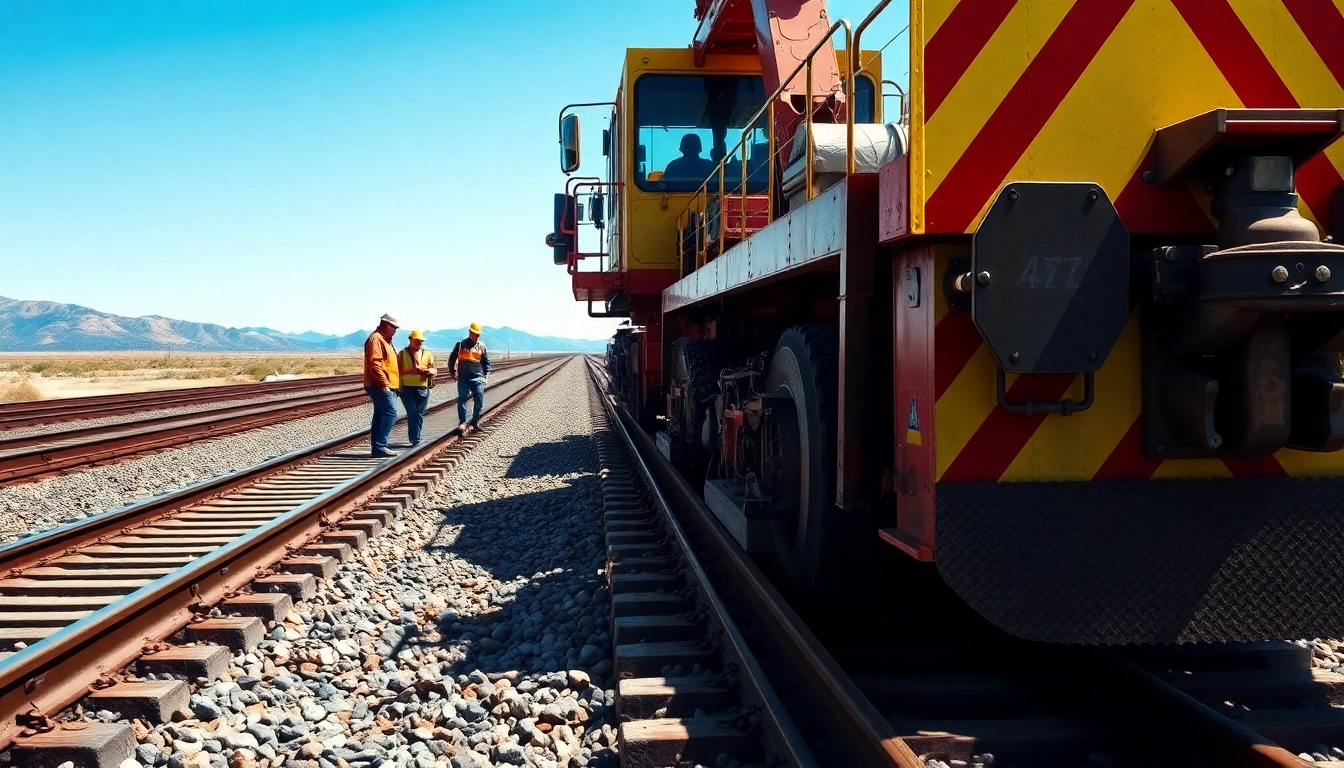
Introduction to Railroad Engineering
Railroad engineering is a multifaceted discipline that plays a vital role in the design, construction, operation, and maintenance of railroads, catering to the needs of both freight and passenger transport. As a critical segment of modern transportation infrastructure, Railroad Engineering not only facilitates the movement of goods and individuals but also contributes significantly to economic growth and environmental sustainability.
Definition and Scope of Railroad Engineering
Railroad engineering encompasses various engineering facets, including civil, mechanical, electrical, and environmental engineering, each of which plays a crucial role in the effective functioning of railway systems. The discipline focuses on several core areas, including:
- Design of rail infrastructure such as tracks, bridges, and tunnels;
- Operational methodologies to optimize train schedules and capacities;
- Safety protocols for protecting passengers and freight operations;
- Maintenance strategies for ensuring long-term system reliability.
Importance in Modern Transportation Systems
Railroads provide an economically viable and energy-efficient mode of transport. They alleviate road congestion, reduce greenhouse gas emissions, and offer reliable transit solutions for urban and rural communities alike. The integration of rail systems into public transport networks enhances accessibility and supports local economies, making railroad engineering critical to advancing sustainable transportation initiatives worldwide.
Key Components of Railroad Infrastructure
Key components of railroad engineering include:
- Track Systems: Comprising rails, ties, and ballast, track systems form the backbone of railway operations, providing necessary support and stability.
- Signaling Systems: Essential for ensuring safe train movements, signaling technology guides trains and facilitates efficient traffic management.
- Bridges and Tunnels: Vital for crossing obstacles or navigating through terrain, these structures are engineered to bear heavy loads and withstand environmental conditions.
- Rolling Stock: Refers to locomotives and railcars, which are designed with various specifications depending on their intended use, ranging from freight hauling to passenger transport.
Education and Career Paths in Railroad Engineering
Degrees and Certifications Required
Formal education in railroad engineering typically begins with a bachelor’s degree in civil engineering, mechanical engineering, or a related field. Many universities and colleges offer specialized programs focusing on railroad engineering principles. Additionally, certifications from organizations such as the American Railway Engineering and Maintenance-of-Way Association (AREMA) can enhance credibility and job prospects.
Job Opportunities in Railroad Engineering
The career landscape for railroad engineers is broad, offering roles such as:
- Track Design Engineer
- Railway Operations Manager
- Project Manager for railway construction
- Signal Systems Engineer
As the rail industry evolves due to technological advancements, opportunities are growing in areas like automation and smart rail systems, expanding the scope of employment for engineers.
Expected Salaries and Job Prospects
According to salary data, locomotive engineers earn an average annual salary of approximately $72,719, with the potential to reach over $90,000 with experience. With an increasing focus on sustainable transportation, job prospects in railroad engineering are enhancing due to a demand for improved rail systems and safety measures.
Technological Innovations in Railroad Engineering
Advancements in Safety Features
Technological advancements have revolutionized safety standards in railroad engineering. Innovations such as Positive Train Control (PTC) systems allow for automated monitoring and control of train speeds, greatly minimizing the risk of accidents. Additionally, improved track inspection technologies, including drones and ultrasound testing, enable proactive maintenance, ensuring greater safety across the network.
Role of Software and Automation
The integration of software tools in railroad engineering has resulted in streamlined operations and enhanced efficiency. Advanced simulation software enables engineers to model and analyze various aspects of railway systems, from track layouts to traffic flow dynamics. Automation, particularly in freight handling and scheduling, has led to significant reductions in operational costs and increased service reliability.
Sustainability Practices in Railroad Engineering
Sustainability has become increasingly important in railroad engineering, prompting the development of eco-friendly technologies. Initiatives focus on using energy-efficient locomotives, implementing regenerative braking systems, and optimizing routes to minimize energy consumption. Additionally, incorporating recycled materials in construction practices reduces the environmental impact of building new rail infrastructure.
Major Projects and Case Studies in Railroad Engineering
Overview of Notable Railway Projects
Numerous major railway projects worldwide illustrate the advances and challenges inherent in railroad engineering. For instance, the construction of high-speed rail systems in countries like Japan and France has set benchmarks for speed and efficiency. Notable projects such as California’s High-Speed Rail and the expansion of rail networks in India highlight significant investment in infrastructure and modernization.
Lessons Learned from Recent Developments
Examining recent developments reveals important lessons about project management and execution. Issues such as budget overruns, delays, and public engagement indicate the necessity for holistic planning and stakeholder collaboration. For instance, the challenges faced during the construction of the Crossrail project in London underscore the importance of context-sensitive design and integrated transport planning.
Impact on Communities and Economies
Railroad projects significantly impact local and national economies. They create jobs not only during construction but also in ongoing operations and maintenance. Furthermore, improved rail connectivity enhances local business by facilitating the movement of goods and boosting tourism through better access to destinations. Economic evaluations of new rail projects consistently show a return on investment that surpasses initial development costs.
Future Trends in Railroad Engineering
Emerging Technologies and Practices
Future trends indicate a continued evolution of railroad engineering, with emerging technologies such as autonomous trains poised to redefine operational capabilities. Technologies that harness artificial intelligence for predictive maintenance can enable rail operators to anticipate issues before they occur, drastically reducing downtime and maintenance costs.
Challenges Facing the Industry
Despite advancements, the railroad industry faces several pressing challenges, including aging infrastructure, regulatory hurdles, and funding constraints. Tackling these issues requires innovation, collaboration with government entities, and a commitment to modernizing existing frameworks to accommodate future needs.
Prospects for Growth and Innovation
The future of railroad engineering holds promise for growth and innovation, particularly in sustainability and technology integration. Companies that invest in research and development of efficient systems stand to gain a competitive advantage. The convergence of rail with renewable energy sources can further catalyze a shift towards greener transportation solutions, positioning the industry as a leader in sustainable practices.
Frequently Asked Questions (FAQs)
1. What degree do I need to become a railroad engineer?
A bachelor’s degree in civil engineering, mechanical engineering, or a related field is typically required, with specialized programs in railroad engineering available.
2. How much do railroad engineers earn?
The average salary for railroad engineers is around $72,719 annually, with potential earnings exceeding $90,000 for experienced engineers.
3. What are the career prospects in railroad engineering?
Career prospects are strong, with demand for experts in automation, safety technologies, and infrastructure planning as the industry evolves.
4. What is Positive Train Control (PTC)?
PTC is a safety technology designed to automatically control train speeds and movements, significantly reducing the potential for accidents.
5. What role do sustainability practices play in railroad engineering?
Sustainability practices focus on using energy-efficient systems, materials, and methods to reduce environmental impacts associated with railroad operations.
Contact Information
Call Us: 1 (403) 452-4508
Email: [email protected]
Address: 3950 Fossil Creek Blvd Suite 106, Fort Worth, TX, USA 76137