Understanding the Double Girder Bridge Crane
The double girder bridge crane is a vital piece of equipment used in various industries to handle heavy loads efficiently. Designed for both lifting and moving goods, this type of crane features two parallel girders that provide enhanced stability and strength compared to its single girder counterparts. Its robust design enables it to manage heavy weights, making it an essential asset in manufacturing, construction, and logistics sectors. Understanding the functionality, advantages, and specifications of double girder bridge cranes can significantly impact operational efficiency and safety in any facility.
What is a Double Girder Bridge Crane?
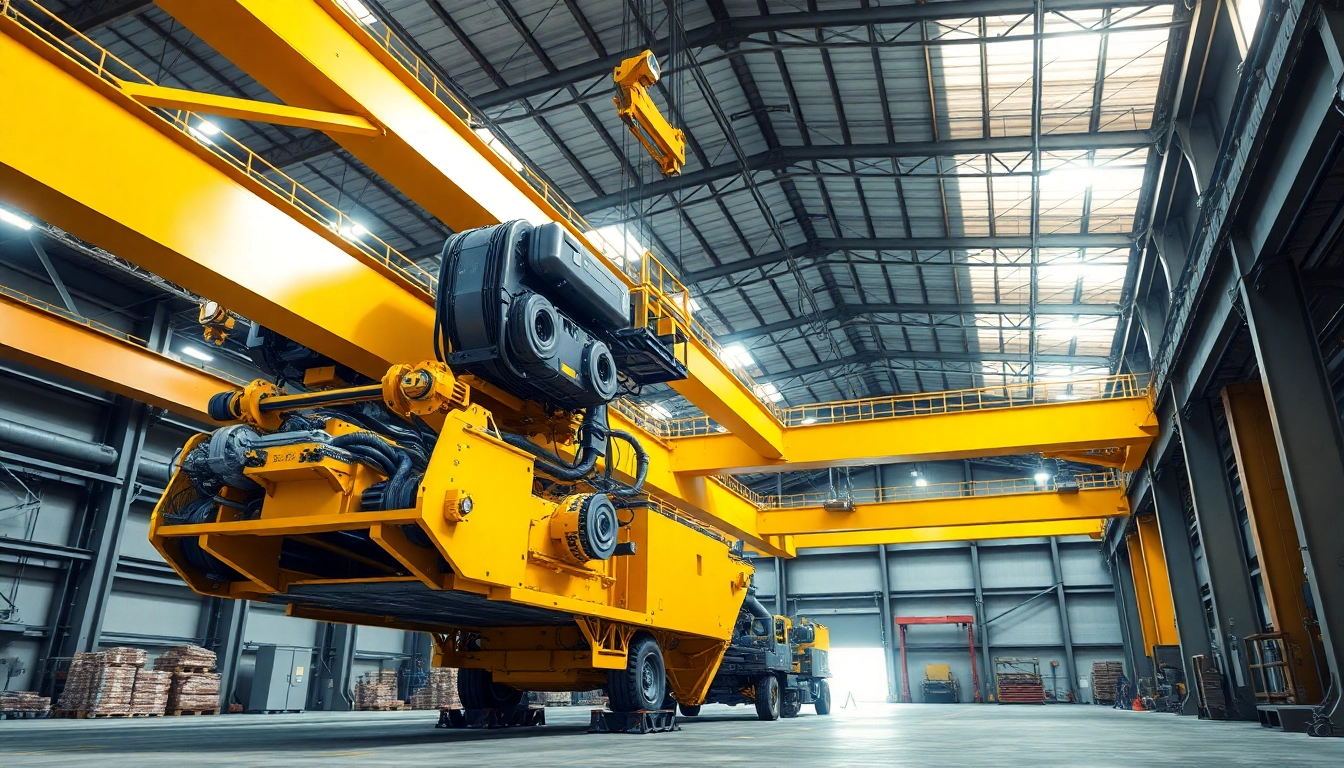
A double girder bridge crane utilizes two girders supported by overhead runways, offering superior load handling capabilities. This crane design includes a hoist that travels along the lower flanges of the girders, providing greater lifting heights and allowing operators to handle heavier loads effectively. The construction method employed ensures that the load is evenly distributed, reducing wear and tear on both the crane and the materials being moved. Compared to single girder designs, double girder cranes are particularly advantageous in applications that require frequent use under high-load conditions.
Benefits of Using Double Girder Cranes
- Increased Load Capacity: Double girder cranes typically support heavier loads, often exceeding 10 tons, making them ideal for industries such as steel manufacturing and heavy machinery handling.
- Enhanced Stability: The dual-girder design contributes to greater stability during operations, reducing the risk of tipping and ensuring safer handling of materials.
- Improved Lifting Height: The design provides additional lift height, allowing for more versatile applications and the ability to stack materials higher than single girder models.
- Customization Options: Manufacturers often provide a variety of customization options, allowing companies to tailor the crane to their specific operational needs.
Common Applications in Heavy Industry
Double girder bridge cranes are employed across various sectors for their reliability and efficiency. Common applications include:
- Manufacturing Facilities: Used for moving heavy components between different stages of production.
- Construction Sites: Essential for lifting and transporting materials such as steel beams and concrete blocks.
- Warehousing and Distribution Centers: Streamlining loading and unloading processes for large shipments.
- Shipyards: Ideal for moving heavy machinery and boat components during assembly and repair.
Key Features and Design Considerations
Structural Components of Double Girder Cranes
The structural integrity of a double girder bridge crane is paramount for its operation. Key components include:
- Main Girders: The primary beams that support the load and form the bridge of the crane.
- End Trucks: These components allow for movement along the runway and are attached at both ends of the girders.
- Hoist Mechanism: Typically located between the girders or underhung, the hoist is responsible for lifting and lowering loads.
- Control Systems: Modern cranes are equipped with advanced control systems for precision operation, often featuring remote controls and safety interlocks.
Capacity and Span Considerations
When evaluating a double girder bridge crane, capacity and span are crucial factors. The capacity refers to the maximum load the crane can lift, which can range from 10 tons to over 100 tons. The span is the distance between the centers of the two main girders, which typically ranges from 20 to 200 feet. Sizing should consider the specific needs of the workplace, ensuring that the crane can handle the required loads efficiently without compromising safety.
Safety Features and Standards
Safety is a top priority in crane operations. Double girder bridge cranes are designed to meet rigorous safety standards, including:
- Overload Protection: Prevents the crane from lifting loads that exceed its maximum capacity.
- Emergency Stop Mechanisms: Allows operators to halt movement instantly in case of an emergency.
- Limit Switches: Automatically stop the hoist at certain points to prevent over-travel.
Choosing the Right Double Girder Bridge Crane
Assessing Load Capacity and Requirements
Selecting the appropriate double girder bridge crane begins with a thorough assessment of the load requirements. Businesses should consider the maximum weight they intend to lift and the types of materials involved. Additionally, understanding the nature of operations—whether frequent or sporadic—will also inform the decision on capacity. Custom cranes may be necessary to meet specialized demands.
Factors Influencing Your Decision
Several factors can influence the choice of a double girder crane:
- Operational Environment: Cranes operating in harsh environments, such as extreme temperatures or aggressive chemicals, may require additional protective features.
- Space Constraints: The available workspace can affect the design, dictating whether a top-running or underhung configuration is more suitable.
- Future Expansion: Companies should consider potential growth, selecting a crane that can accommodate increased loads or spans as needed.
Expert Tips for Crane Selection
Experts recommend involving multiple stakeholders in the selection process, including operators, maintenance teams, and safety officers. This collaborative approach ensures all operational needs and safety concerns are addressed. Additionally, consulting crane manufacturers can provide valuable insights into design options and features tailored to the industry standards.
Installation and Maintenance Best Practices
Preparation for Crane Installation
Preparing for the installation of a double girder bridge crane involves several critical steps:
- Site Assessment: A thorough evaluation of the installation site to ensure it meets necessary structural and environmental requirements.
- Foundation Preparation: Developing a robust foundation that can handle the weight and operational dynamics of the crane.
- Training Personnel: Training those who will be operating and maintaining the crane to ensure safety and efficiency during the installation phase.
Routine Maintenance Procedures
Regular maintenance is essential for ensuring the longevity and performance of double girder cranes. Key maintenance practices include:
- Visual Inspections: Conducting routine checks for wear and damage to components.
- Lubrication: Ensuring all moving parts are adequately lubricated to prevent friction and wear.
- Load Testing: Performing periodic load tests to verify the crane's capacity and ensure it operates within safety parameters.
Common Issues and Solutions
Some common issues associated with double girder cranes include:
- Wear on Hoist Mechanisms: Regularly replacing worn parts can mitigate performance issues.
- Electrical Failures: Implementing a rigorous electrical inspection schedule can help prevent downtime.
- Misalignment: Adjusting and calibrating the crane as needed ensures that it remains level and operational.
Future Trends in Double Girder Crane Technology
Innovative Features for Enhanced Performance
Innovations in double girder crane technology are continually evolving. Features that improve performance include:
- Smart Technology: Incorporating IoT devices for real-time monitoring and predictive maintenance.
- Energy-Efficient Designs: Utilizing lightweight materials and advanced engineering techniques to reduce power consumption during operation.
- Enhanced Automation: Implementation of semi-automated systems that improve operational efficiency while minimizing the risk of human error.
Impact of Automation on Double Girder Cranes
Automation is significantly transforming the crane industry. Automated double girder cranes offer increased precision in operations, reducing manual labor and enhancing safety. These systems can operate with minimal human intervention, allowing for data-driven performance evaluations and adjustments based on real-time data.
Predictions for the Crane Industry in 2025
As we look towards 2025, the crane industry is expected to see substantial growth and changes. Predictions include:
- Wider Adoption of Automation: More facilities will implement automated solutions to improve efficiency.
- Shift Towards Eco-Friendly Solutions: The industry will increasingly focus on environmentally sustainable practices, including energy-efficient cranes.
- Integration of AI: The use of Artificial Intelligence in monitoring and decision-making processes will likely enhance safety and operational flexibility.