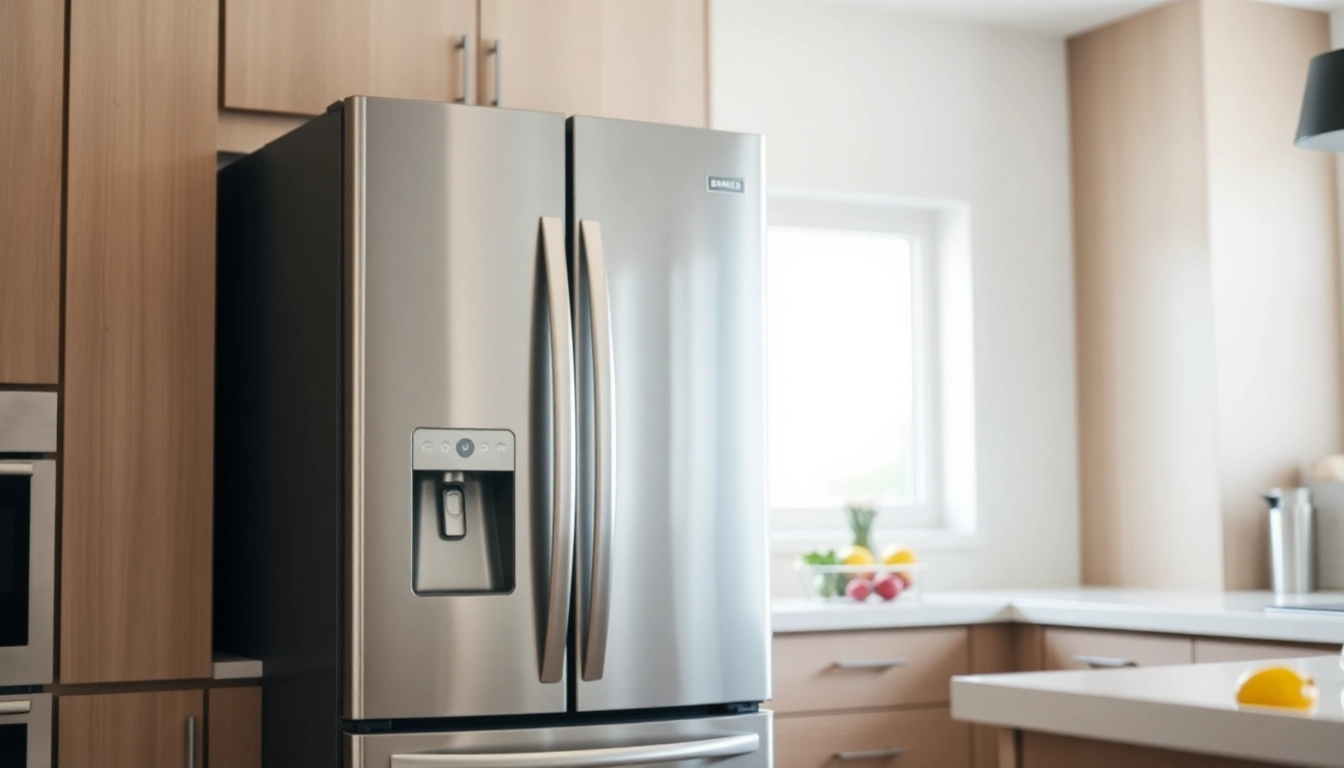
Understanding Different Types of Refrigerators
When it comes to selecting the right refrigerator, understanding the various types available on the market is crucial. From traditional top-freezer models to innovative French door designs, each type of refrigerator offers unique features and benefits suited to different needs and preferences. Choosing the right type involves considering factors such as space, style, and functionality. Let's delve into the three main types: top-freezer refrigerators, side-by-side refrigerators, and French door refrigerators, each with distinct characteristics.
Top-Freezer Refrigerator Features
Top-freezer refrigerators stand out for their classic design and functional layout. As the name suggests, this model features a refrigerator compartment above a freezer compartment. The advantages of top-freezer refrigerators include:
- Space Efficiency: These models are often more compact, making them suitable for smaller kitchens.
- Affordability: Generally priced lower than other types, they offer excellent value for budget-conscious consumers.
- Energy Efficiency: Many top-freezer models are highly energy-efficient, helping to lower electricity bills.
Top-freezer refrigerators are ideal for households that prioritize practicality and reliability, providing ample storage for all your essentials.
Side-by-Side Refrigerator Benefits
Side-by-side refrigerators, characterized by their vertical design featuring a freezer on one side and a refrigerator on the other, offer several advantages:
- Convenient Access: With doors that open side by side, users can easily access both compartments without bending down.
- Specialty Drawers: Many models come with adjustable shelves and dedicated drawers for meat, vegetables, and deli items.
- Water and Ice Dispensers: Side-by-side refrigerators often feature built-in water and ice dispensers, adding convenience.
This type is preferred by larger families and those who typically purchase a variety of frozen and fresh foods, as it allows easy organization and access.
French Door Refrigerator Advantages
French door refrigerators combine aesthetics with functionality, featuring two doors that open to a spacious refrigerator compartment on top and a drawer-style freezer below. Some advantages of this design include:
- Maximum Storage Space: Their design maximizes storage capacity, allowing easy storage for larger items and bulk purchases.
- Stylish Appearance: Chic and modern, French door refrigerators enhance kitchen aesthetics and complement contemporary designs.
- Smart Features: Many new models include temperature management systems and smart technology, improving usability.
These refrigerators are perfect for those looking for both style and practicality, making them a popular choice in modern kitchens.
Factors to Consider When Buying a Refrigerator
Choosing the right refrigerator goes beyond selecting a type; several factors should influence your purchasing decision. Understanding your space, energy efficiency, and design preferences can enhance your overall satisfaction with your new appliance.
Size and Capacity Requirements
Before making a purchase, it's critical to evaluate your kitchen space and consider the refrigerator's dimensions. Measure the area where the refrigerator will be placed, including door swings to ensure proper access. Additionally, think about your household's storage needs:
- Small Households: A smaller refrigerator with a capacity of 10-15 cubic feet may suffice for one to two people.
- Medium Households: Families of three to four typically benefit from a model with 18-25 cubic feet of space.
- Large Households: If you have five or more members, opting for a refrigerator with at least 25 cubic feet is advisable.
By accurately measuring and estimating your storage needs, you’ll avoid premature overcrowding and prolong the life of your refrigerator.
Energy Efficiency Ratings Explained
Energy efficiency is a primary concern for consumers looking to minimize their environmental impact and reduce energy bills. To gauge this, check the refrigerator’s energy efficiency rating, often indicated by the Energy Star certification. Key aspects include:
- Energy Star Certification: Appliances bearing this mark meet rigorous energy efficiency standards.
- Annual Energy Consumption: The label will indicate how much electricity the refrigerator uses in a year, typically expressed in kilowatt-hours (kWh).
- In-Store Comparisons: In-store displays usually provide side-by-side comparisons, allowing you to judge energy costs effectively.
Investing in an energy-efficient model not only saves costs but also promotes sustainability.
Style and Design Preferences
The design of a refrigerator can have a significant impact on your kitchen’s aesthetic. Consider the following aspects when evaluating your options:
- Finish: Stainless steel, matte black, or white finishes can complement or contrast your kitchen decor.
- Built-In vs. Freestanding: Built-in models provide a seamless look, while freestanding options offer flexibility in placement.
- Custom Features: Some modern refrigerators offer customizable designs and configurations tailored to individual spaces and preferences.
Aligning your refrigerator’s design with your kitchen decor enhances both functionality and visual appeal.
How to Maintain Your Refrigerator for Longevity
Proper maintenance not only ensures optimal performance but also extends your refrigerator's lifespan. Regularly maintaining your appliance can prevent costly repairs and enhance energy efficiency.
Regular Cleaning and Hygiene Tips
Maintenance begins with regular cleaning. Here are best practices for keeping your refrigerator pristine:
- Interior Cleaning: Wipe down shelves and interiors with warm water and baking soda every few months to combat odors and spills.
- Seals and Gaskets: Regularly clean the door seals to maintain an airtight closure; this improves efficiency.
- Exterior Cleaning: Keep the exterior free from dust and grime, which can impact performance.
These simple habits promote hygiene and longevity, ensuring a healthier food storage environment.
Signs Your Refrigerator Needs Repair
Recognizing potential issues in their early stages can save you from costly repairs later. Be vigilant for signs such as:
- Strange Noises: Unusual sounds can indicate malfunctioning components.
- Temperature Fluctuations: If certain sections of your refrigerator are warmer or colder than others, check the thermostat and seals.
- Leaking Water: Finding puddles around your refrigerator often signals drainage issues or faulty seals.
Addressing these signs promptly can prevent further complications and enhance appliance longevity.
Preventive Care for Optimal Performance
Beyond cleaning, implementing preventive care can keep your refrigerator running smoothly:
- Temperature Settings: Ensure your refrigerator is set between 37°F and 40°F, while the freezer stays at 0°F.
- Regular Defrosting: For models that aren’t frost-free, manual defrosting can prevent buildup that strains the compressor.
- Professional Checkups: Schedule periodic maintenance checks with a technician for comprehensive system evaluations.
By adopting these practices, you can substantially maximize your refrigerator’s efficiency and extend its lifespan.
Innovative Features of Modern Refrigerators
Modern refrigerators have evolved far beyond simple food storage appliances, now incorporating advanced technologies that enhance convenience and efficiency. This section explores some of the innovative features that you may find.
Smart Technology in Refrigerators
The rise of smart home technology has significantly impacted the refrigerator industry. Some prominent features include:
- Wi-Fi Connectivity: Models with Wi-Fi connectivity allow users to control settings remotely through smartphone apps.
- Smart Alerts: Many smart refrigerators send alerts when doors are left open or when maintenance is required.
- Inventory Tracking: Some models can track food inventory and suggest recipes based on what you have.
These advancements not only improve user convenience but also help manage food waste effectively.
Temperature Control Mechanisms
Managing temperature efficiently is vital for preserving food freshness and safety. Modern refrigerators are equipped with sophisticated mechanisms, including:
- Dual Cooling Systems: Many models feature separate cooling systems for the refrigerator and freezer, enhancing temperature control.
- Adjustable Temperature Zones: Some appliances have adjustable compartments allowing users to customize climates for different food types.
- Temperature Sensors: Advanced sensors continuously monitor conditions and automatically adjust to ensure stability.
These systems enhance the overall performance of the refrigerator, ensuring food stays fresher for longer.
Customizable Storage Options
To meet diverse household needs, modern refrigerators often provide customizable storage solutions, such as:
- Adjustable Shelves: Shelves that can be rearranged or removed to accommodate larger items promote flexibility.
- Modular Bins: Detachable bins allow for organized storage of various items, making it easier to access frequently used products.
- Specialty Drawers: Many refrigerators include dedicated drawers for fruits, vegetables, or deli items with customized humidity settings.
These customizable features cater to individual storage preferences, making meal preparation more efficient.
Frequently Asked Questions About Refrigerators
What is the difference between a fridge and refrigerator?
A fridge is a smaller, compact appliance meant for basic cooling. A refrigerator encompasses larger models with advanced functionalities, including temperature controls, freezers, and smart features.
How much will a refrigerator cost?
Prices vary based on type: Top-freezer models range from $500 to $1,500, side-by-side from $1,000 to $3,000, French door from $1,200 to $4,000, and built-in models from $3,000 to $10,000.
What is the best refrigerator brand?
The ideal refrigerator brand depends on your needs; popular choices include brands known for their reliability, efficiency, and customer service. Research user reviews to find the best fit for you.
How often should I defrost my refrigerator?
For manual defrost refrigerators, defrost when ice buildup exceeds 1/4 inch. Regular maintenance helps improve efficiency and prevent extended defrosting processes.
What maintenance does my refrigerator require?
Routine maintenance involves cleaning the interior, checking door seals, managing temperature settings, and scheduling professional inspections every few years to ensure optimal performance.