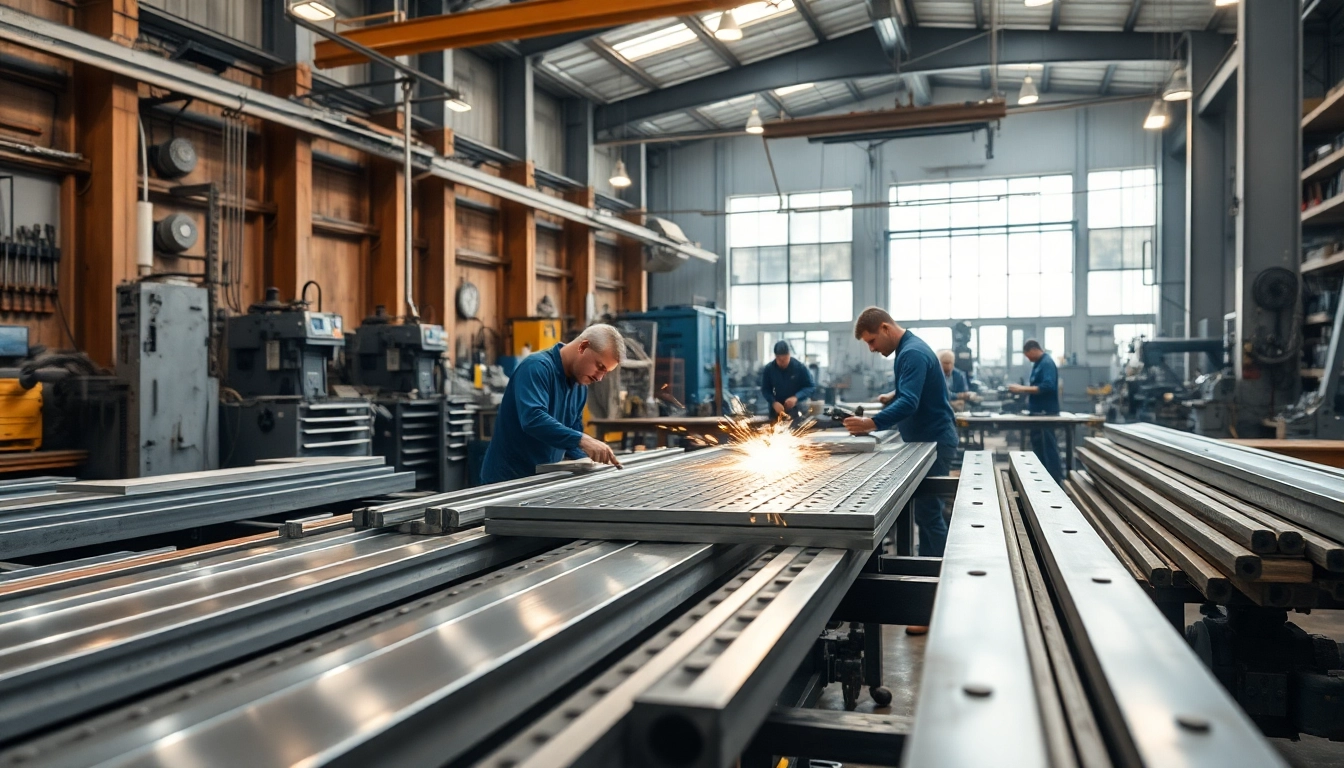
Understanding GRP Grating
What is GRP Grating?
Glass Reinforced Plastic (GRP) grating, also known as fiberglass grating, is an advanced composite material utilized for flooring, walkways, and various structural applications. It is crafted from a combination of high-strength glass fibers and a resin matrix, resulting in a product that is lightweight yet remarkably strong. This type of grating is a preferred choice in many industrial sectors due to its inherent characteristics that make it suitable for harsh environments.
As the demand for alternatives to traditional metal grating continues to rise, the GRP Grating Supplier market is experiencing growth. The pressure to enhance safety and reduce maintenance costs has propelled the adoption of GRP products in sectors such as construction, water treatment, and chemical processing.
Key Properties of GRP Grating
GRP grating boasts several important properties that make it an ideal choice for industrial and commercial applications:
- Lightweight: GRP grating is significantly lighter than traditional steel or aluminum grating, making it easier to transport and install.
- High Strength: Despite its lightweight nature, GRP grating has exceptional load-bearing capabilities, able to withstand heavy weights and resist deformation.
- Corrosion Resistance: The resin used in the manufacturing process provides GRP grating with superior resistance to chemicals and environmental factors, ensuring a long service life.
- Non-Conductive: GRP grating does not conduct electricity, making it a safe option in electrical environments.
- Non-Slip Surface: Many GRP gratings feature a non-slip surface that enhances safety in wet or hazardous conditions.
Applications of GRP Grating in Various Industries
The versatility of GRP grating allows it to be used in numerous applications across different industries:
- Aquaculture: GRP grating is widely used in fish farming and other aquaculture operations due to its durable and water-resistant properties.
- Chemical Processing: The corrosion-resistance of GRP makes it ideal for flooring in chemical plants where exposure to aggressive substances is common.
- Water Treatment: GRP is frequently used in wastewater treatment facilities for walkways, platforms, and access covers, providing a long-lasting solution.
- Mining: In mining operations, GRP grating is utilized for walkways, platforms, and stair treads due to its high strength-to-weight ratio.
- Food and Beverage: Its hygiene compliance and ease of cleaning make GRP grating a popular choice in food processing plants.
Why Choose a Reliable GRP Grating Supplier
Importance of Quality in GRP Grating
When sourcing GRP grating, quality is paramount. High-quality GRP grating not only ensures safety and compliance with regulatory standards but also minimizes the risk of premature failure in demanding applications. Different manufacturers may use varying grades of raw materials and production methods, which can significantly impact the performance of the final product.
Evaluating Supplier Credentials
Selecting a reliable GRP grating supplier involves assessing their credentials and reputation. Key factors include:
- Experience: Look for suppliers with a long track record in the industry, as this often correlates with reliability and product quality.
- Certifications: Check for relevant industry certifications that indicate adherence to quality standards.
- Customer Service: A supplier that prioritizes customer service and support can make a significant difference in your purchasing experience.
Customer Testimonials and Experiences
Understanding the experiences of previous customers can provide insight into the quality of products and services offered by a supplier. Testimonials, case studies, and online reviews can help you gauge whether a supplier meets the expectations of its clientele, ensuring you make an informed choice.
Comparison with Traditional Grating Options
Weight and Strength Advantages
One of the most compelling advantages of GRP grating over traditional materials like steel and aluminum is its weight-to-strength ratio. GRP grating provides similar or superior strength while weighing significantly less, easing installation and reducing structural load considerations.
Cost Efficiency of GRP Grating
While the initial cost of GRP grating may sometimes be higher than metal options, the total cost of ownership is often lower due to reduced maintenance needs, longer service life, and absence of corrosion-related failures. This economic advantage becomes evident over the lifespan of the grating, where costs associated with replacement and repairs can be substantially minimized.
Resistance to Corrosion and Chemicals
Unlike traditional metal grating, which can succumb to corrosion, GRP grating is designed specifically to withstand harsh environmental conditions. This resistance prevents rust formation and ensures that GRP products maintain their integrity and appearance over time, resulting in lower lifecycle costs.
Best Practices for Sourcing GRP Grating
Assessing Your Specific Needs
Before sourcing GRP grating, it is crucial to assess your specific needs based on application, load requirements, chemical exposure, and environmental conditions. Understanding these factors enables you to select the right type and configuration of grating.
Direct vs. Online Purchases
When purchasing GRP grating, consider whether a direct purchase from a supplier provides more value than an online order. Direct purchases may offer opportunities for consultation with sales representatives who can provide tailored advice and recommendations, while online purchases often provide convenience and broader options.
Negotiating Terms with Suppliers
Effective negotiation with suppliers can yield better pricing and terms for your GRP grating needs. Be prepared to discuss order quantities, delivery timelines, and after-sale services, as these aspects can affect overall satisfaction and cost efficiency.
FAQs about GRP Grating Supplier
What makes GRP grating a suitable option?
GRP grating is lightweight, strong, corrosion-resistant, and non-slip, making it suitable for various industries including chemical processing, water treatment, and food production.
How do I identify a quality GRP grating supplier?
Consider the supplier’s experience, industry certifications, customer reviews, and responsiveness to queries, as these factors indicate reliability and product quality.
Are there environmental benefits to using GRP grating?
Yes, GRP grating is often made from recycled materials and is 100% recyclable, contributing to lower environmental impact compared to traditional materials.
What are common applications of GRP in industries?
GRP grating is commonly used in aquaculture, chemical processing, water treatment facilities, and food production due to its durability and corrosion resistance.
How can GRP grating improve safety in the workplace?
GRP grating’s non-slip surface improves traction in slippery conditions, reducing the risk of accidents and injuries in industrial settings.