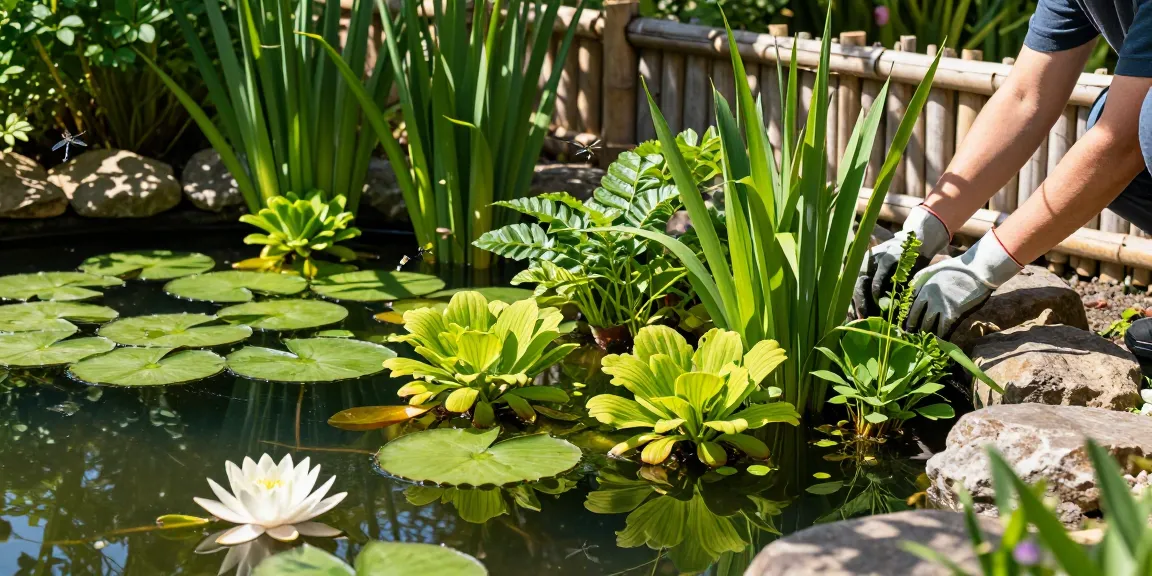
Understanding British Pond Plants
British pond plants are essential components of both natural and artificial water features across the UK. These flora not only enhance the aesthetic appeal of ponds but also play a crucial ecological role. With increasing interest in sustainable gardening and biodiversity, understanding the variety and benefits of British pond plants has never been more relevant. When exploring options, British Pond Plants offer a wealth of choices for garden enthusiasts looking to create a thriving aquatic habitat.
What are British Pond Plants?
British pond plants are native species that thrive in the UK’s aquatic environments. These plants are remarkably adapted to the local climate and soil conditions, making them an excellent choice for gardeners aiming to create harmonious ecosystems. They can be broadly classified into various categories, including submerged, floating, and marginal plants. Each category serves a distinct purpose in maintaining pond health and overall biodiversity.
Key Benefits for Your Garden
Integrating British pond plants into your garden can yield multiple benefits:
- Improved Water Quality: Aquatic plants help filter pollutants and provide oxygen through photosynthesis, leading to clearer water.
- Habitat Creation: By offering shelter and breeding grounds, these plants attract various wildlife, including amphibians and insects.
- Natural Pest Control: Many pond plants can deter pests, reducing the need for chemical interventions.
- Aesthetic Appeal: Flora such as water lilies and irises enhance the beauty of your garden, creating a tranquil atmosphere.
Common Species in the UK
Among the myriad species, some of the most common British pond plants include:
- Water Lily (Nymphaea): Known for their stunning blooms and broad leaves, they float gracefully on the water’s surface.
- Flag Iris (Iris pseudacorus): These vibrant yellow flowers add colour and thrive in marginal zones.
- Hornwort (Ceratophyllum demersum): A submerged plant that provides excellent cover for fish and helps maintain water clarity.
- Common Reed (Phragmites australis): Acts as a natural filtration system and stabilizes pond banks.
Choosing the Right Plants for Your Pond
Careful selection of plants is pivotal in ensuring the health and beauty of your pond. Factors such as your pond’s size, depth, and sunlight exposure dramatically influence your options.
Factors to Consider in Plant Selection
When choosing plants, consider the following:
- Sunlight: Assess how many hours of sunlight your pond receives daily. Some plants thrive in full sun, while others prefer partial shade.
- Pond Size: Larger ponds can support a broader variety of plants, including those that may become invasive.
- Water Depth: Different species have specific depth preferences, so understanding the contour of your pond is crucial.
Best Practices for Planting
To achieve the best results when planting, follow these best practices:
- Plant in clumps or groups for a more natural look, mimicking wild growth.
- Use baskets or pots to contain roots, especially for species that can spread aggressively.
- Ensure plants are positioned with their root systems at the correct depth, to prevent stagnation and encourage growth.
Combining Aesthetics with Ecology
A harmonious balance between aesthetics and ecological function can be achieved by mixing blooming species with structural plants, ensuring year-round interest and wildlife support.
Maintenance of British Pond Plants
Regular maintenance is essential for the vitality of your pond ecosystem. Understanding how to care for your plants is key to sustaining their health over time.
Regular Care and Upkeep
To keep your British pond plants flourishing, implement a routine care schedule:
- Remove dead leaves and debris to prevent decay and nutrient depletion.
- Monitor water quality and adjust nutrient levels as necessary.
- Regularly check for pests and diseases to ensure quick intervention.
Managing Invasive Species
While many native plants are beneficial, some species can become invasive, threatening the balance of your pond ecosystem. Identifying these plants and removing them promptly will help preserve the health of your pond.
Seasonal Adjustments for Optimal Growth
Adjusting your care routine according to the seasons will promote optimal growth. For instance, pruning during early spring encourages healthy new growth, while winter preparation ensures plants can survive the colder months.
Enhancing Biodiversity with Pond Plants
The introduction of native pond plants can significantly enhance local biodiversity and contribute to ecological balance. This is increasingly important in the face of climate change.
Attracting Wildlife to Your Pond
Plants are vital in attracting various forms of wildlife. Birds, frogs, and beneficial insects all rely on these plants for food and shelter. With careful selection, your pond can become a biodiversity hotspot.
Creating a Balanced Ecosystem
By incorporating a variety of species, you can create a balanced ecosystem that supports a multitude of organisms while reducing pests and preventing algae blooms.
Impact of Climate Change on Pond Habitats
Climate change poses threats to pond environments, including altered water temperatures and changing rainfall patterns. Understanding how to adapt your plant choices and care techniques can help mitigate these impacts.
Future Trends in Pond Plant Care (2026 and Beyond)
The future of pond gardening is evolving. With a greater focus on sustainability and biodiversity, understanding emerging trends will be essential for gardeners looking to stay ahead.
Innovative Techniques for Sustainable Gardening
Techniques such as permaculture and biodynamic gardening are gaining traction, emphasizing holistic approaches to plant maintenance and disease management. These methods encourage a thriving ecosystem with minimal intervention.
Emerging Plant Varieties and Their Benefits
New native varieties are being developed that offer enhanced resistance to pollutants and adaptability to changing climates, providing exciting opportunities for gardeners looking to future-proof their ponds.
Forecasting Climate Adaptation Strategies
As climate conditions shift, it’s vital to select species that can withstand these changes. Planning for drought or flooding events can help ensure your pond remains vibrant and healthy.
How to Educate Others on the Importance of Pond Plants?
Community engagement and education are crucial in promoting the significance of pond plants. Workshops, online resources, and local gardening clubs can foster awareness and encourage collective efforts toward sustainable pond care.
What are the best pond plants to use in British gardens?
Some of the best native options include water lilies for floating coverage, flag irises for vibrant blooms, and hornwort for submerged growth.
How can I maintain my pond plants effectively?
Regular care includes removing debris, monitoring water quality, and seasonal adjustments to plant maintenance.
What wildlife can be attracted by British pond plants?
Birds, frogs, dragonflies, and beneficial insects are all attracted to diverse pond plant habitats.
How do seasonal changes affect pond plants?
Seasonal changes impact growth cycles, with spring fostering new growth, summer requiring regular maintenance, and winter necessitating protective measures.
What are the future trends for pond gardening in the UK?
Future trends include a focus on sustainability, incorporating innovative techniques, and promoting biodiversity through native species.