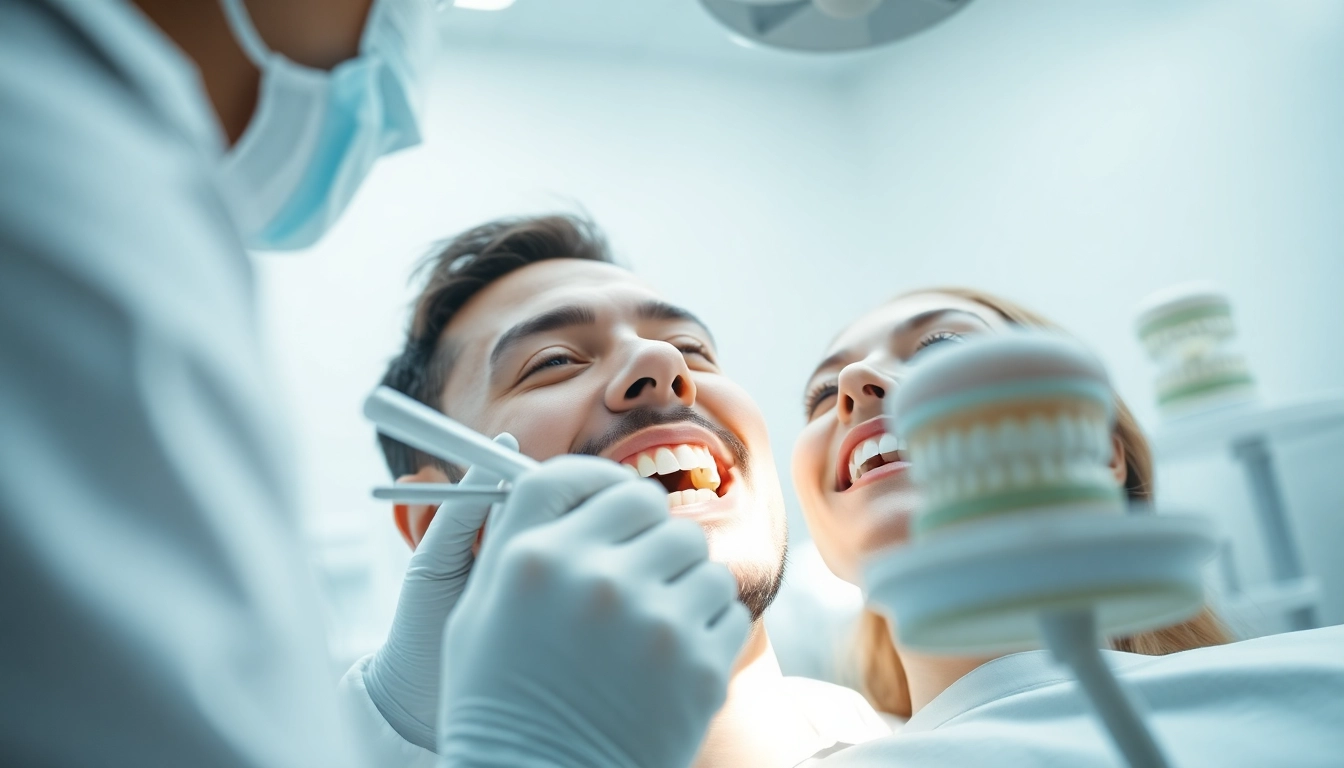
The Importance of Regular Visits to the Dentist
Maintaining optimal oral health encompasses a variety of practices, including regular check-ups with a Dentist. While many individuals may prioritize daily hygiene practices, such as brushing and flossing, the role of professional care should not be overlooked. Regular visits to your dentist are crucial for both preventive care and the early detection of potential oral issues, ultimately ensuring your oral and overall health remains in peak condition.
Why Preventive Care Matters
Preventive dental care is essential because it helps avert severe dental issues that could arise over time. This includes thorough cleanings, examinations, and screenings for oral diseases. By visiting your dentist regularly, you allow for:
- Early Detection of Problems: Dentists are trained to identify potential problems, such as cavities, gum disease, or oral cancer, before they become significant issues that require complicated treatments.
- Avoiding Costly Treatments: Regular preventive care can help you avoid the high costs associated with more severe dental procedures that could arise from neglecting routine care.
- Education on Oral Hygiene: Dentists can provide valuable insights and individual recommendations on maintaining proper oral hygiene practices tailored specifically to your needs.
What to Expect During Your Dental Visit
Understanding what happens during a dental visit can ease anxiety and help you prepare effectively. A typical appointment includes:
- Medical History Review: The dentist or dental hygienist will ask about your medical history and any specific oral concerns you might have.
- Thorough Examination: This includes checking your teeth for cavities, examining your gums for signs of gum disease, and checking for any other oral health issues.
- Professional Cleaning: A dental hygienist will clean your teeth to remove plaque and tartar buildup, contributing to your overall oral hygiene.
- X-rays: Depending on your needs, your dentist may recommend X-rays to get a better view of your teeth and jaw structure.
- Discussion of Findings: After your examination, the dentist will discuss the findings with you and recommend any necessary treatments or changes in your oral health routine.
Identifying Oral Health Issues Early
Many oral health issues may not present noticeable symptoms in their early stages. Regular dental visits enhance your ability to catch these conditions early on. Some common issues that dentists can identify include:
- Cavities: The early detection of decay can lead to simpler treatments such as fillings instead of more extensive procedures like crowns or root canals.
- Gum Disease: Dentists can identify gingivitis or periodontitis before they progress and lead to tooth loss.
- Oral Cancers: Early screenings foster timely interventions that improve treatment outcomes considerably.
Common Services Provided by Dentists
Dentists offer a wide range of services designed to address various needs and maintain oral health. Understanding these services can help you leverage your dental visits effectively.
Routine Cleanings and Examinations
Routine cleanings and examinations are fundamental services provided by dentists. These appointments typically occur twice a year and involve a comprehensive cleaning, examination, and evaluation of your oral health. Benefits of routine services include:
- Maintaining a clean and healthy mouth.
- Reducing the risk of cavities and gum disease.
- Identifying issues early to prevent future dental problems.
Restorative Procedures Explained
If damage has occurred to your teeth due to decay, injury, or other circumstances, restorative procedures aim to bring your teeth back to their functional state. Common restorative options include:
- Fillings: Used to fill cavities and restore tooth integrity.
- Crowns: Caps placed over damaged teeth to restore their shape and function.
- Bridges: Devices that replace missing teeth by anchoring to surrounding teeth.
- Dentures: Removable replacements for missing teeth, available as full or partial dentures.
Cosmetic Dentistry Options
Cosmetic dentistry has grown in popularity, focusing on enhancing the aesthetics of your smile. Some common cosmetic procedures include:
- Teeth Whitening: Professional treatments to lighten discolored teeth.
- Veneers: Thin shells placed over the front surface of teeth to correct issues like gaps or discoloration.
- Bonding: A tooth-colored resin applied to fix imperfections in teeth.
- Invisalign: Clear aligners used in orthodontics as an alternative to braces.
How to Choose the Right Dentist for Your Needs
Selecting the right dentist is a vital aspect of maintaining your oral health. A well-matched dentist can ensure that your needs are met and that you feel comfortable during each visit.
Qualifications and Specializations to Consider
When searching for a dentist, consider their qualifications, credentials, and areas of specialization. Here are some factors to keep in mind:
- Education and Training: Confirm they have completed dental school and hold licenses to practice.
- Specializations: Some dentists specialize in areas such as pediatric dentistry, orthodontics, or cosmetic procedures. Choose one based on your needs.
- Continuing Education: Opt for dentists who engage in ongoing education to stay updated with the latest dental advancements.
Evaluating Patient Reviews and Testimonials
Researching patient reviews can offer insight into customer satisfaction and the quality of care provided. Look for:
- Overall Ratings: High ratings may suggest quality service, while low ratings might indicate potential issues.
- Specific Feedback: Testimonies highlighting individual experiences can shed light on strengths and weaknesses in care.
- Consistency: Check if feedback is consistent across multiple platforms to determine reliability.
Understanding Location and Accessibility
Choosing a conveniently located dentist is crucial for ensuring that you attend your appointments regularly. Take into account:
- Proximity: Select a dentist who operates within a reasonable distance from your home or workplace.
- Office Hours: Ensure their office hours align with your availability.
- Accessibility: Look for facilities that cater to individuals with mobility concerns, ensuring access for everyone.
Emergencies: When to See a Dentist Immediately
Dental emergencies can occur unexpectedly, requiring immediate attention to alleviate pain and prevent further complications. Knowing when to contact your dentist can make all the difference.
Common Dental Emergencies Defined
Some typical dental emergencies include:
- Knocked-Out Tooth: Prompt action can lead to successful re-implantation if addressed within hours.
- Severe Toothache: Persistent pain can be a sign of infection or decay requiring immediate care.
- Broken or Chipped Tooth: Minor trauma can often be repaired, but neglect can lead to further damage.
- Oral Soft Tissue Injuries: Cuts or lacerations in the mouth may require stitching and treatment.
Preparing for Your Emergency Appointment
In the event of an emergency appointment, being prepared can ease the process. Consider the following:
- Gathering Information: Be ready to explain the circumstances surrounding your emergency.
- Bringing Medical Records: If applicable, bring your medical history or previous dental treatment records.
- Planning for Aftercare: Arrange for any necessary follow-up care that might be required.
Follow-Up Care After Emergencies
After an emergency visit, following your dentist’s post-care instructions is vital for successful healing. This may include:
- Medication: Taking prescribed pain relief or antibiotics as directed.
- Monitoring Symptoms: Keeping track of any changes or worsening conditions and reporting them to your dentist.
- Regular Check-Ins: Attending follow-up appointments to ensure everything is healing correctly.
Maintaining Good Oral Health Between Dentist Visits
Good oral hygiene practices at home help keep your teeth and gums healthy between dental visits. Here are ways to maintain a robust oral care routine:
Daily Oral Hygiene Practices
Effective daily oral hygiene is foundational to overall oral health. Recommendations include:
- Brushing Twice Daily: Use fluoride toothpaste and a soft-bristled toothbrush to remove plaque and prevent cavities.
- Flossing: Floss daily to clean between teeth and along the gum line where toothbrushes can’t reach.
- Mouthwash: Use an antimicrobial mouthwash to reduce plaque and prevent gum disease.
Nutrition’s Role in Oral Health
Your diet plays an essential role in maintaining oral health. Consider these nutritional practices:
- Limit Sugary Foods: Reducing sugar intake can lower your risk of cavities and gum disease.
- Stay Hydrated: Drinking plenty of water can help wash away food particles and bacteria.
- Consume Calcium and Vitamin D: Foods rich in these nutrients promote strong teeth and bone health.
Utilizing Dental Products Effectively
Making use of dental products can enhance your oral hygiene. Here are options to consider:
- Electric Toothbrushes: These can be more effective in removing plaque compared to manual brushes.
- Interdental Brushes: A great alternative to floss for cleaning between teeth, especially for those with braces or wider gaps.
- Whitening Products: Use cautiously to avoid enamel damage, and consult your dentist for safe recommendations.